
Why deeper structural methods improve long term stability in projects
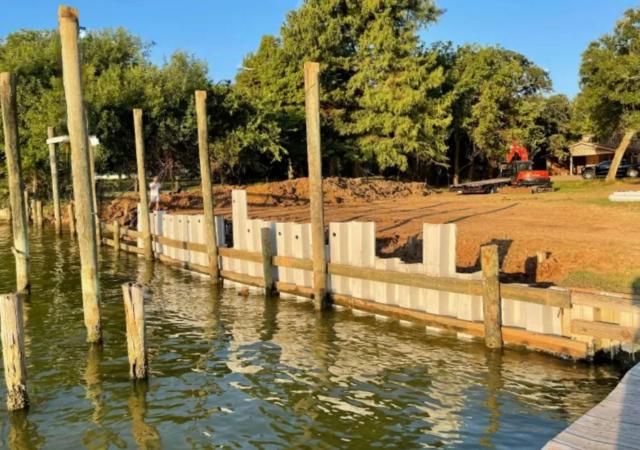
When people look at a finished structure, they rarely think about what is happening below it. The visible part feels solid, but real stability depends on how the load is handled underneath. In many situations where ground conditions are uncertain, Marine Bulkhead piling services become part of the solution, helping structures stay steady over longer periods without constant adjustments.
It is not always about making things stronger. Sometimes it is about making them last without shifting.
Comparing surface level and deep support approaches
Surface support works well when the ground is firm and consistent. It spreads the load across the top layers and keeps things simple.
But that only works when those layers behave predictably.
Deeper support methods do something different. Instead of relying on the upper soil, they transfer weight down to stronger layers that do not move as much. So the structure becomes less dependent on surface conditions.
Both approaches have their place. The choice depends on what the ground allows.
Situations where deeper methods become unavoidable
Some projects begin with standard plans, but once testing starts, things change. Soil may look stable at the top but weak underneath.
In such cases, sticking to surface methods can lead to long term issues. Not immediately, but gradually.
So deeper systems are introduced when:
- Soil layers show uneven strength
- Water presence weakens the upper ground
- Load requirements exceed surface capacity
It is often a practical decision rather than a preferred one.
Pressure handling across different soil layers
Weight moves through the ground in ways that are not always obvious. Each layer reacts based on its density and composition.
- Loose layers compress quickly
- Mixed layers shift unevenly
- Dense layers resist movement
The goal is to reach that stable zone where pressure can be handled without change. That is why depth becomes important.
But even then, soil behavior is not always perfectly predictable.
Environmental factors affecting performance
Conditions around the site also play a role. Temperature changes, water flow, and even nearby activity can influence how the ground behaves.
In coastal or marine areas, this becomes more noticeable.
Water levels rise and fall. Soil absorbs moisture and then dries again. Over time, these changes affect stability.
So deeper systems are often chosen not just for strength, but for consistency across changing conditions.
Long term behavior of structures near water
Structures near water rarely stay in the same condition year after year. The environment keeps shifting around them.
Some movement is normal. Small adjustments happen over time.
But structures with deeper support tend to handle these changes better. They do not rely entirely on the upper soil, which is more affected by water and weather.
Still, it is not always identical across every project. Some perform better than others, depending on installation and conditions.
Cases where deeper systems prevent future repairs
There are situations where early decisions make a noticeable difference later.
Projects that rely only on surface support in weak soil often require maintenance after some time. Small cracks, uneven settling, slight misalignment.
Nothing dramatic at first.
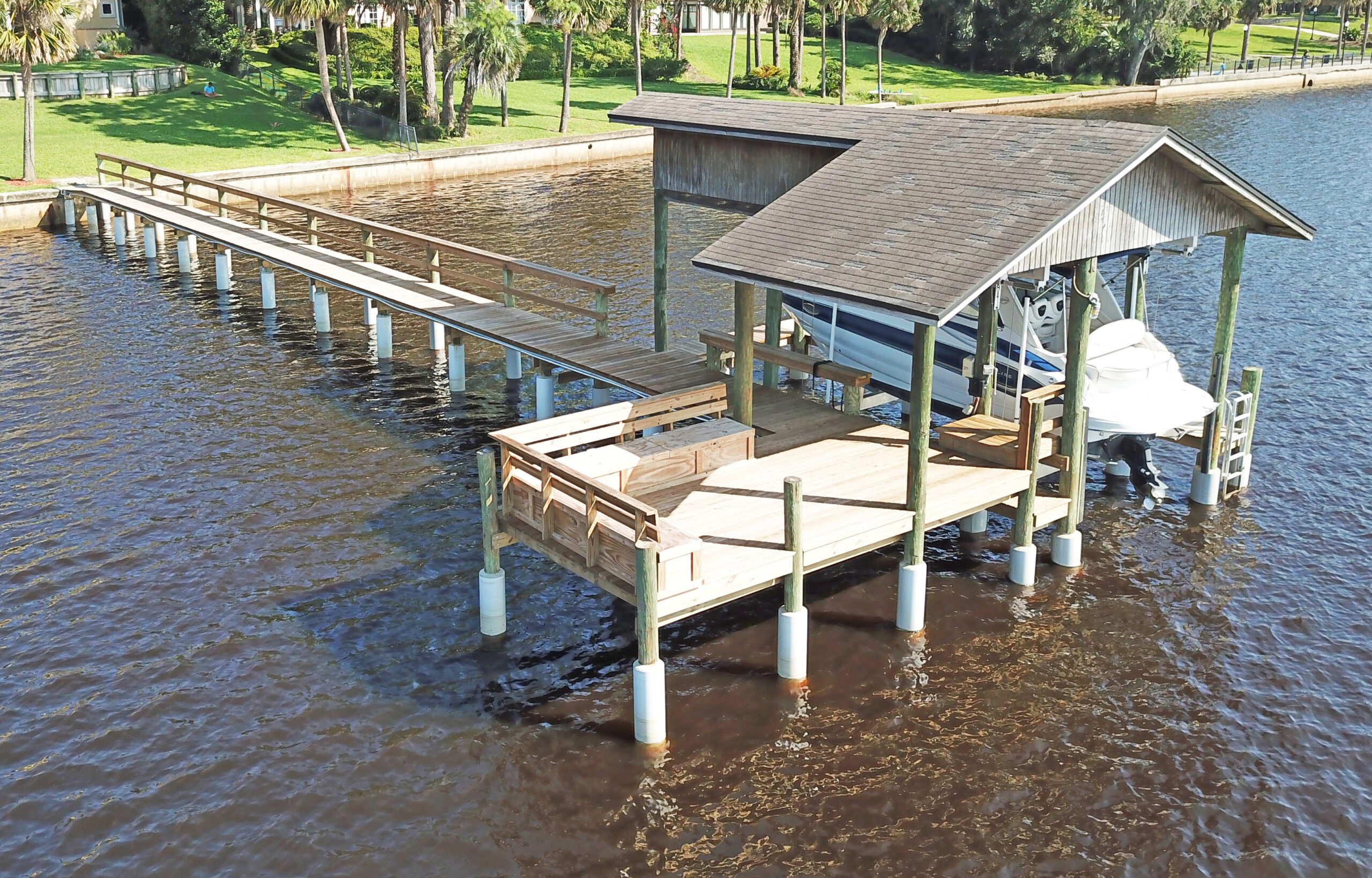
But structures supported through Marine Bulkhead piling services usually show fewer of these issues. The stability holds longer, reducing the need for repeated fixes.
That said, no system is completely free from wear. It just slows things down.
A quieter form of strength
What stands out about deeper structural methods is not visibility, but consistency. They do not change how a structure looks. They change how it behaves over time.
And sometimes that difference is only noticed years later, when one structure remains steady while another starts to show signs of movement.
Not always dramatic. Just enough to matter.
That kind of strength does not show itself immediately. It builds slowly, underneath everything, where most people never look.