
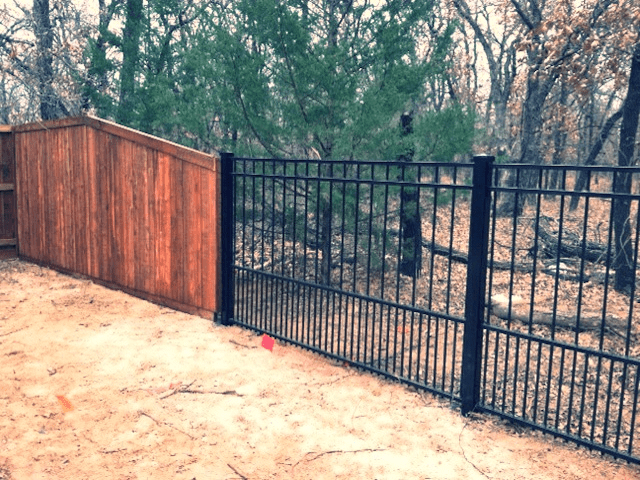
Increase Backyard Usability With Fencing Planned Around Your Property
A backyard becomes more useful when boundaries support its intended purpose. A well-planned fence can define play areas, protect garden sections, improve privacy, and guide movement without wasting valuable space. Working with a Fencing company in Buda, TX can help translate those needs into suitable layouts, materials, and access points. Placement matters as much as appearance. Gate positions, corner clearances, activity zones, and sightlines can shape daily use. Thoughtful planning creates a boundary that supports outdoor routines while keeping the available area practical.
Define Zones Before Choosing Fence Placement
Backyard activities need clear separation for smoother use. A seating corner may need privacy, while a play zone benefits from open visibility. Marking each intended area first helps determine suitable fence runs, gate locations, and access routes before installation begins.
- Mark recreation areas before measuring boundaries.
- Keep active zones away from gates.
- Reserve space around frequently used entrances.
- Protect planting areas with defined sections.
Could Gate Placement Improve Daily Movement?
Gate location affects convenience more than fence height. A route connecting the driveway, patio, and yard entrance can reduce unnecessary walking. Wide openings suit equipment movement, while narrower access points can control foot traffic near sensitive garden sections.
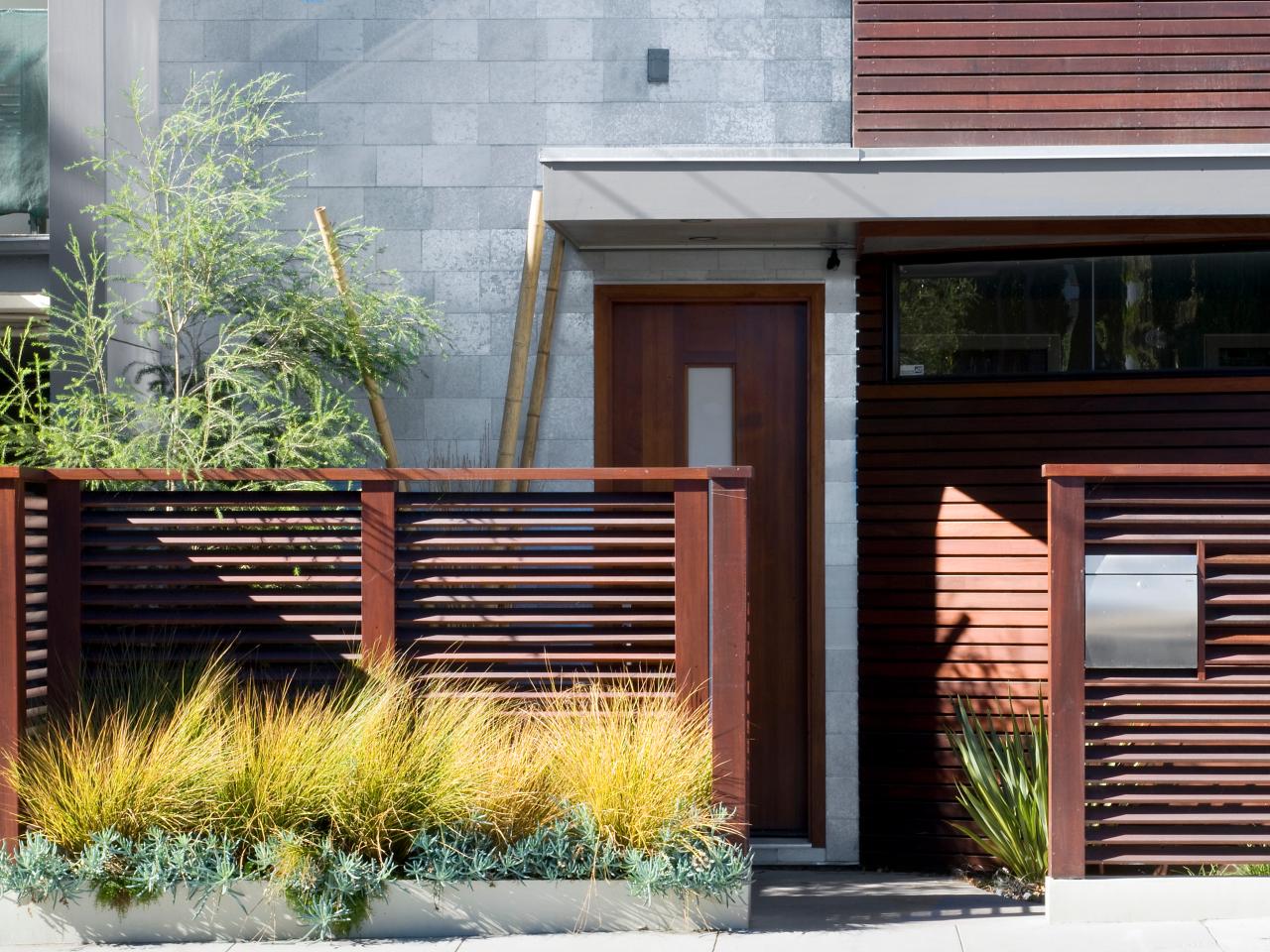
Match Fence Height With Backyard Activities
Height should reflect privacy needs, safety concerns, and surrounding views. A taller boundary can shield a sitting area from nearby activity. Lower sections may preserve visibility around play spaces. Fencing company in Buda, TX can help assess these competing needs through practical layout planning.
Which Materials Suit Active Outdoor Spaces?
Material selection affects maintenance, appearance, durability, and usable clearance. Smooth surfaces can suit family areas where frequent movement occurs. Stronger construction may support gates exposed to regular use. The right choice depends on moisture exposure, upkeep expectations, and the backyard’s primary activities.
- Select materials suited to outdoor exposure.
- Consider cleaning needs before installation.
- Check clearance around structural posts.
- Choose gates matching daily traffic.
Can Landscaping Work Around Fence Lines?
Plants can soften boundaries without blocking useful movement. Trees need adequate clearance from posts, while shrubs can define sections without narrowing pathways. Garden beds should leave enough room for trimming and access. Fence planning works best when landscaping plans are considered simultaneously.
Turn Empty Corners Into Useful Space
Unused corners can become storage areas, planting sections, pet zones, or quiet seating spots. Fence angles can define these spaces without consuming central yard area. A small gate near a storage corner can also simplify access while keeping equipment away from recreational zones.
Small Layout Choices Shape Bigger Uses
A fence can do more than mark ownership boundaries. A carefully positioned gate near storage, combined with clear activity zones, can change how often neglected backyard areas become useful. The most effective boundary may therefore be the one that quietly improves movement, access, and purpose across the entire yard.
FAQs
What should be planned before fencing?
Property boundaries, activity zones, gate positions, landscaping, and access routes should be mapped before installation begins.
Does fence height affect backyard usability?
Yes. Height influences privacy, visibility, airflow, and how different outdoor sections function during daily activities.
Where should backyard gates be placed?
Gate locations should support natural routes between driveways, patios, storage areas, and frequently accessed outdoor spaces.
Can fencing accommodate existing landscaping?
Yes. Fence lines can be planned around trees, planting beds, pathways, and other established backyard features.